
Faith Woodberry ’27 Sets Stories in Motion
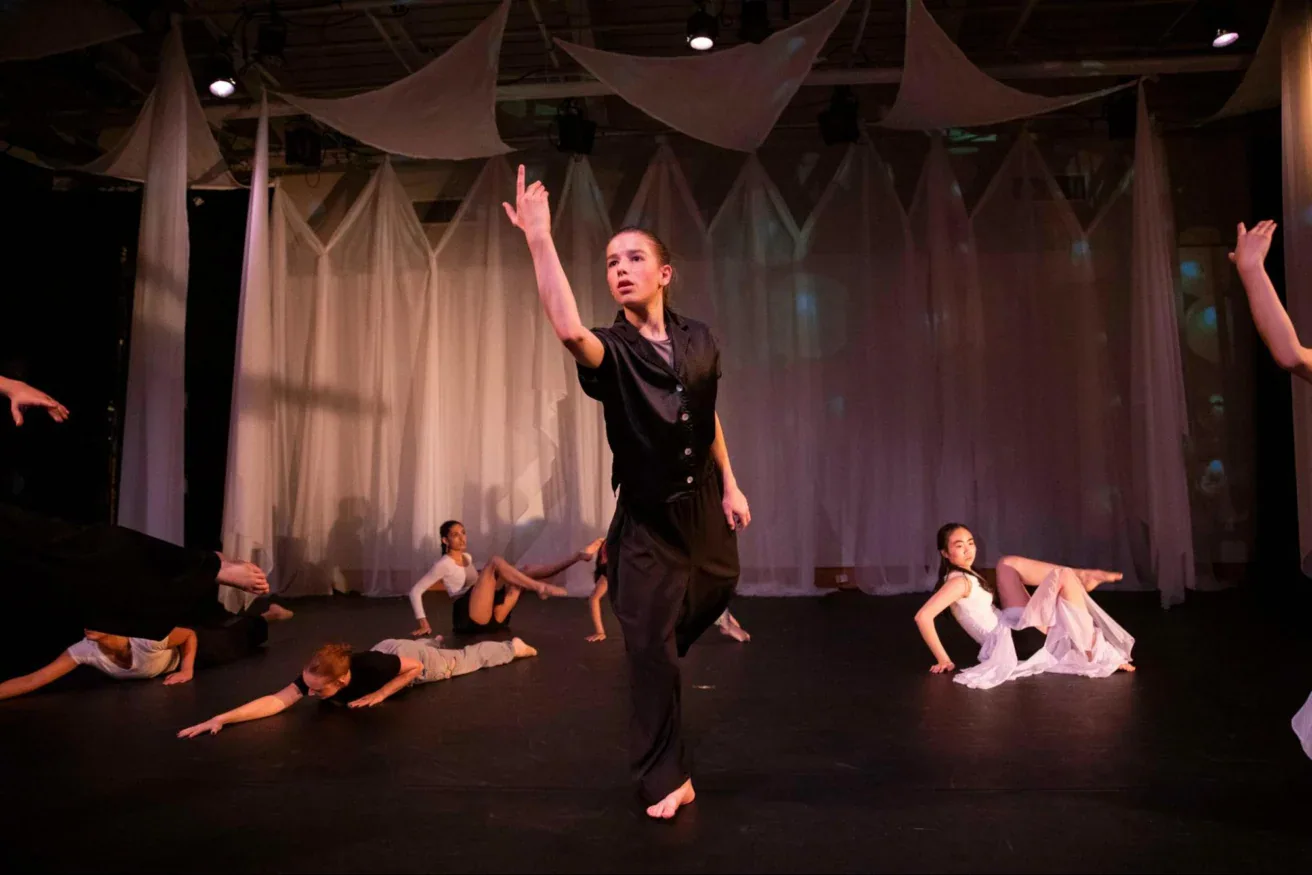
Concord Academy senior Faith Woodberry ’27 is an artist whose life is shaped by rhythm. They find it in dance, the cadence of language, the timing of theater, and the energy of working alongside others. Across disciplines, Faith uses movement to create community.
This summer, Faith brought that spirit of collaboration to the inaugural School at Jacob’s Pillow program, Dance as Social Transformation: Kinetic Visioning. Among a cohort of 24 dancers, Faith was the only high school student.
The process-driven program, rooted in street and social dance traditions, emphasized inquiry, improvisation, and composition rather than preparation for a formal performance. For Faith, that difference was transformative.
They described the experience as having “tailwinds” in a community that encouraged and supported creative exploration. “No matter what I experimented with, I had people who had my back and were pushing me forward,” Faith says.
Faith says they left the program with a new understanding of what it means to be a dancer: “I began to see dance as social change, dance as sort of a tool to fight injustice.” The program emphasized embodied activism and cultural equity.
Faith is bringing that mindset back to CA, where their passion for dance has deepened over the last three years. They remember watching the winter Concord Academy Dance Project (CADP) performance as a 9th grader and being captivated by the dancers on stage. The experience inspired them to join CADP the following year.
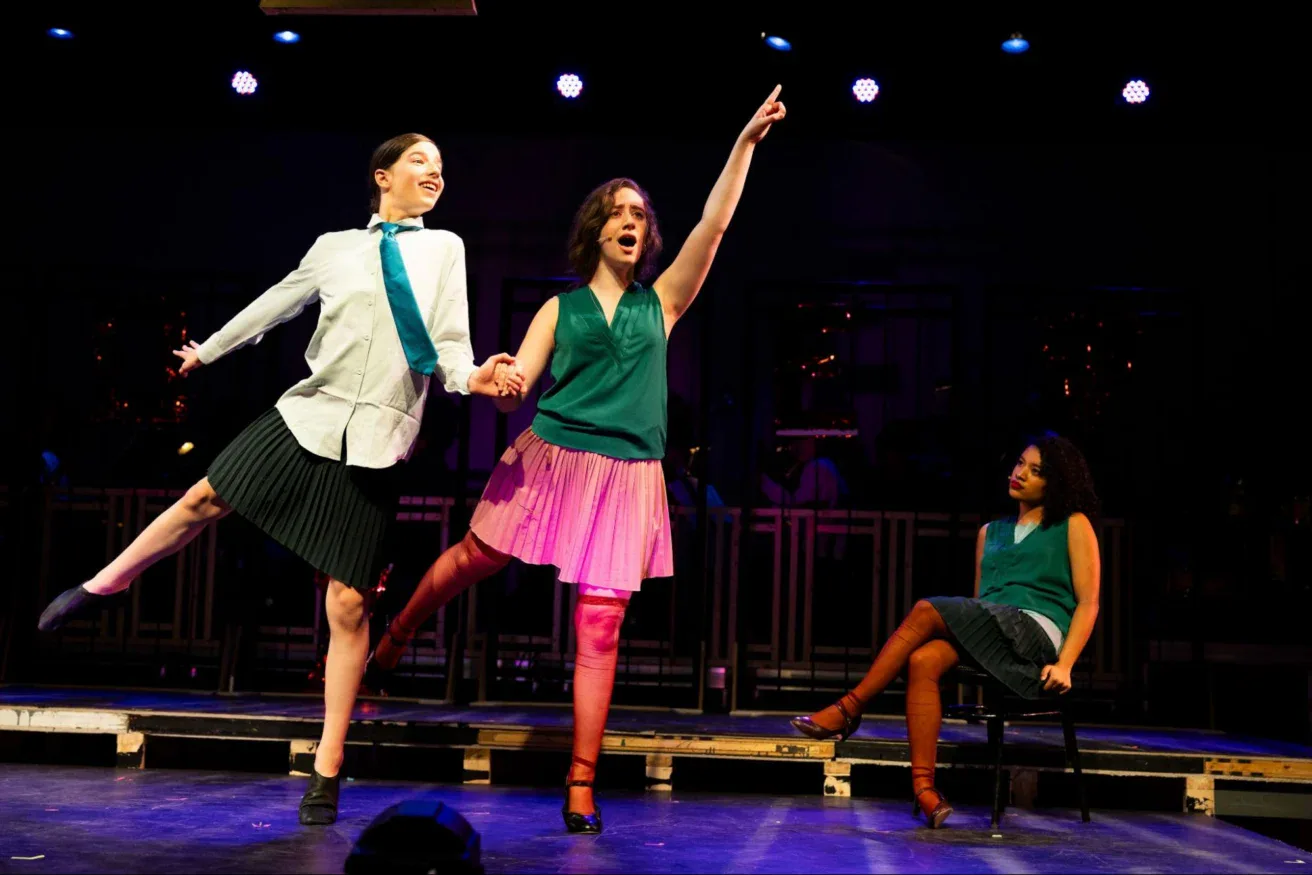
Their first CADP performance, in 10th grade, was met·a·mor·pho·sis, where they experienced the physical and emotional intensity of performing in a large-scale lyrical work. That winter in Chicago, they challenged themselves further by serving as dance captain and assistant choreographer for the play’s sharp jazz choreography.
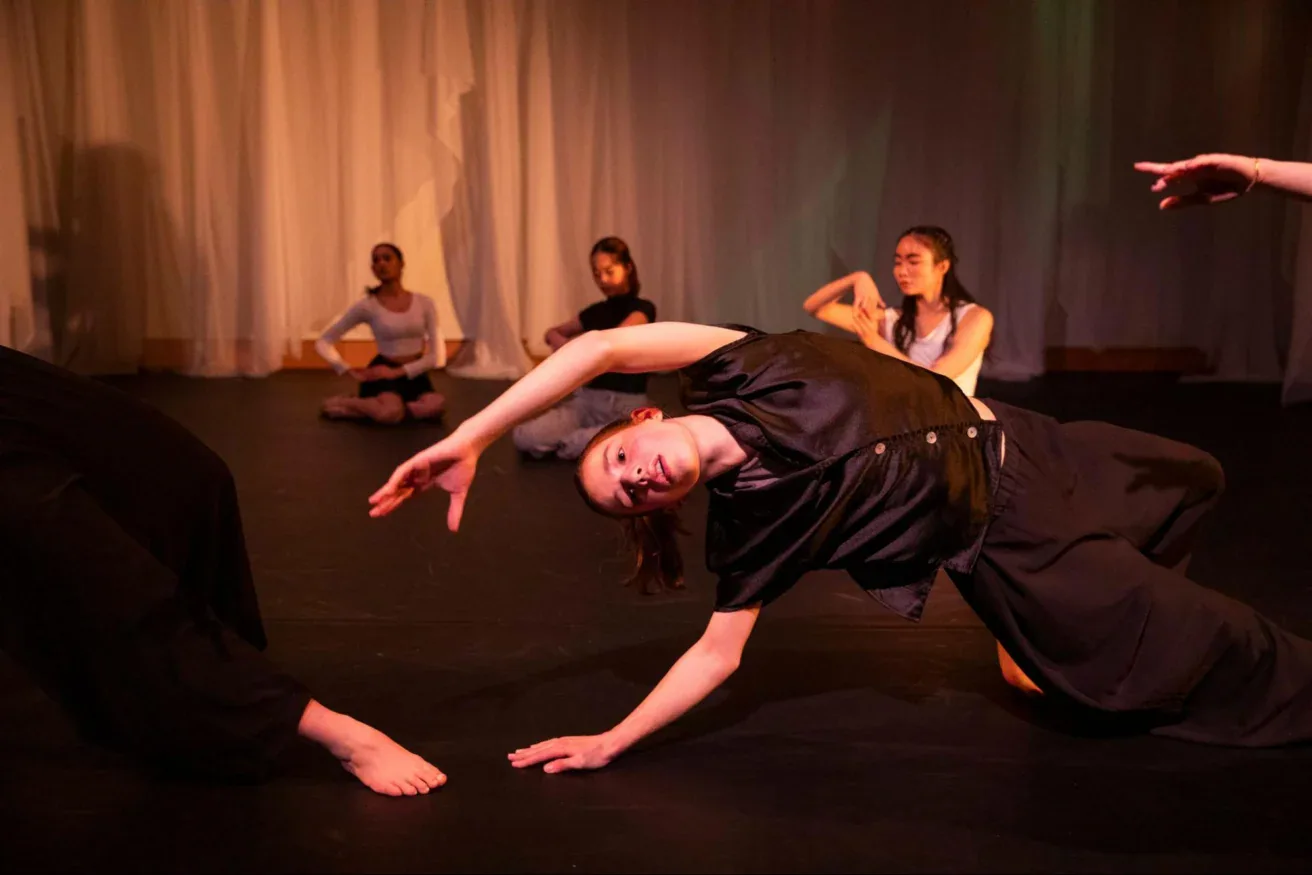
Last year’s dance project, Kinetic Echoes, was an intimate contemporary dance showcase. Faith credits dance teacher Patrick O’Neill as a mentor and advocate. With O’Neill’s support, Faith worked as both a dancer and choreographer on the piece, developing their leadership skills. “He’s really helped me scaffold choreographing and teaching,” Faith says.
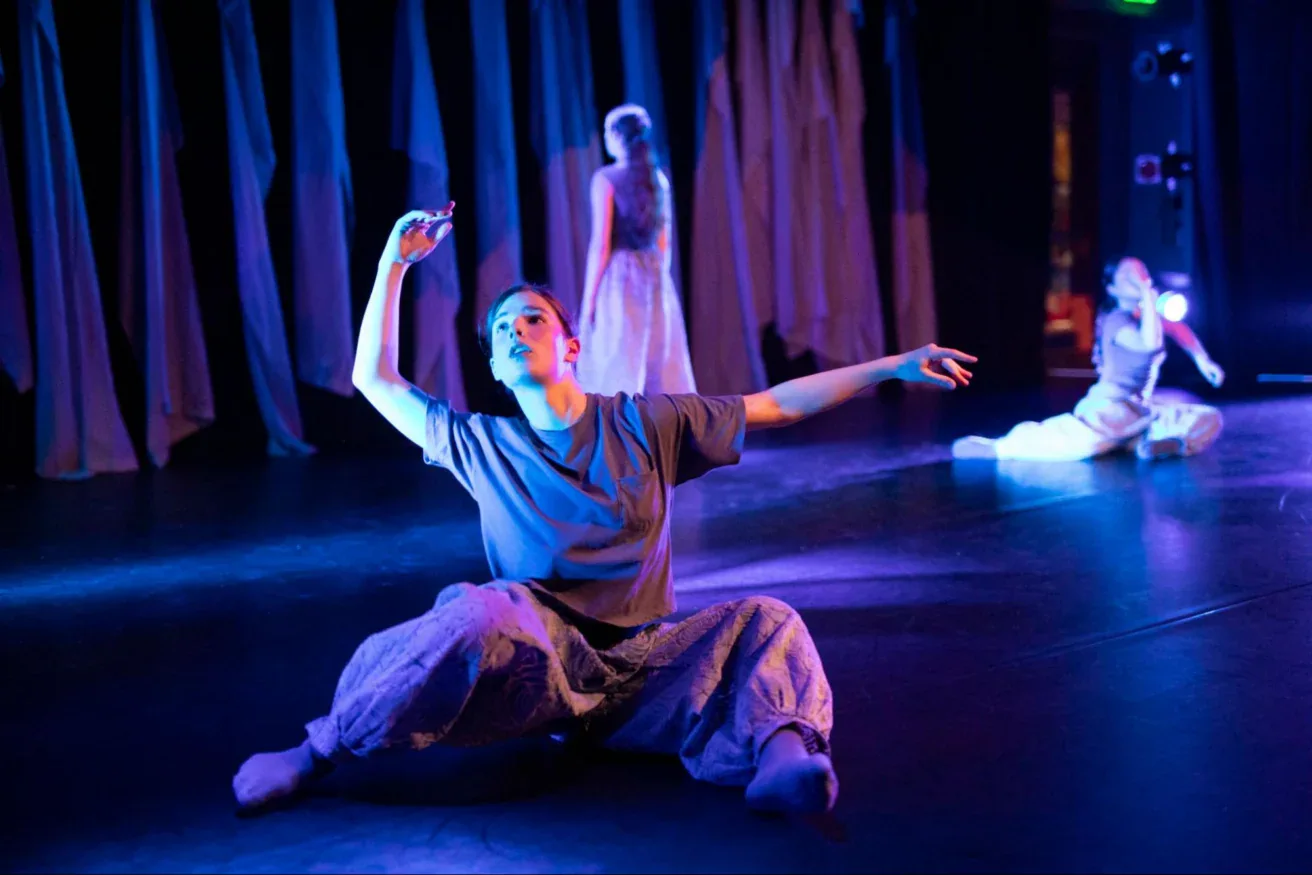
Also a writer, Faith sees a natural connection between language and movement. Poems they wrote for a queer literature course taught by Nancy Boutilier, a now-retired CA English teacher, have found their way into choreography. As part of an eight-month fellowship with the Foundation Trust and Urbanity Dance, Faith worked with a coach to develop their artistry. The result was Patchwork, a 15-minute piece performed in Boston. Recordings of the poems in their own voice became part of the soundscape.
“I do think of dance as a language, and I do think of language as a dance, and I find playfulness and thoughtfulness and sincerity in all of that,” Faith says. To them, both English and dance are forms of communication that use structure and pace to convey ideas.
The connection between language and movement also shapes Faith’s work in theater. This fall, they are serving as movement director for CA’s Macbeth. The production keeps Shakespeare’s original script while placing the play in a futuristic setting, with the witches reimagined as predictive AI. Faith has helped develop the robotic movement that gives the characters their distinctive physicality, using dance to convey what words alone can not.
Faith’s senior project will continue their study of how movement can communicate meaning by exploring the relationship between Buddhism and Butoh dance, an avant garde Japanese dance-theater form. Through studying Buddhist texts and dance traditions, they will examine how mindfulness and motion can come together as a form of spiritual practice.
Faith imagines a future that spans multiple artistic disciplines. They are considering majoring in English in college while continuing to choreograph. For Faith, the power of dance comes both from individual expression and from what happens when people move together. Reflecting on the collective energy in working with a group of dancers this summer, Faith finds the simplest way to describe it: “It felt like a heartbeat.” Everyone was moving in sync, connected by the same organic rhythm.