
2026 Convocation Sets the Tone for Common Trust in Action
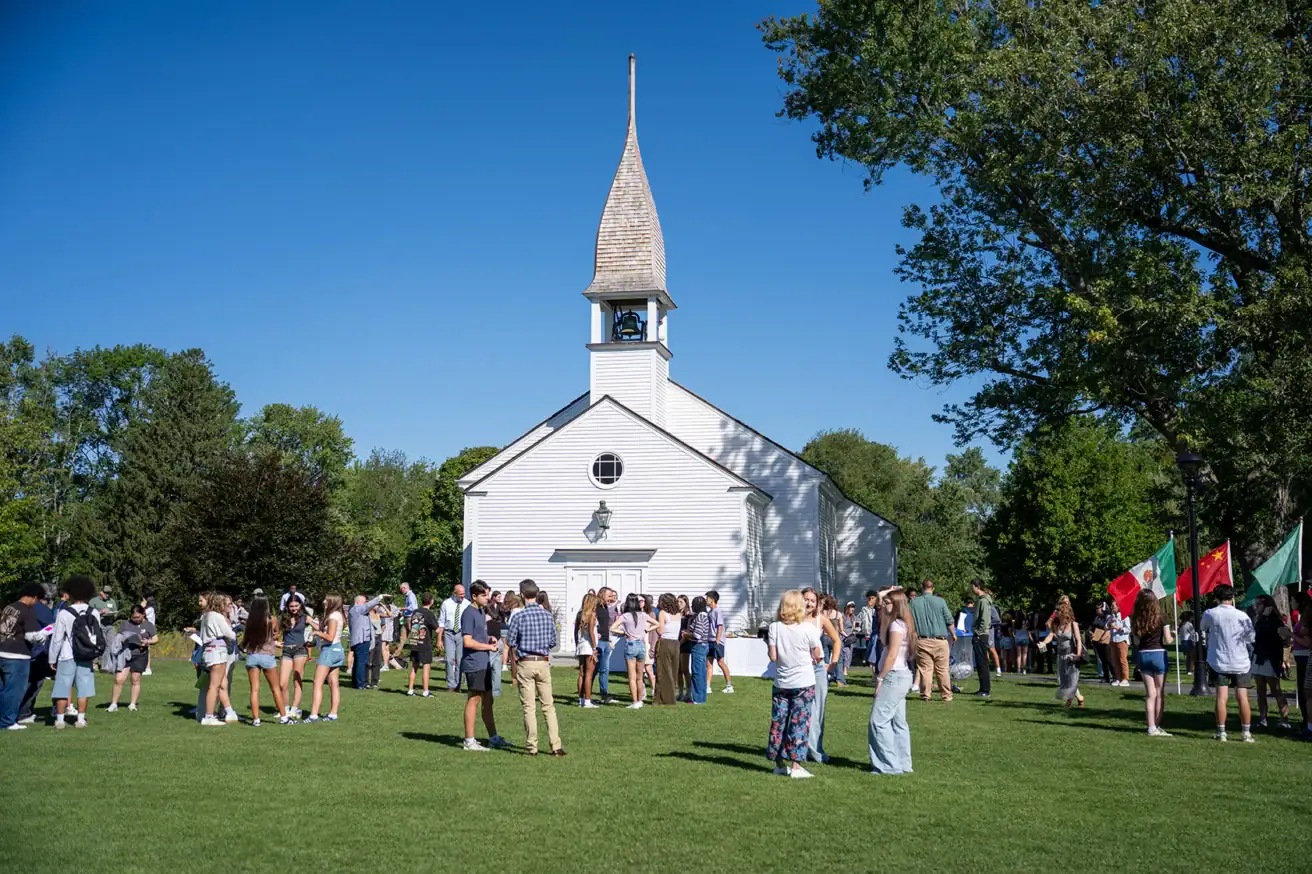
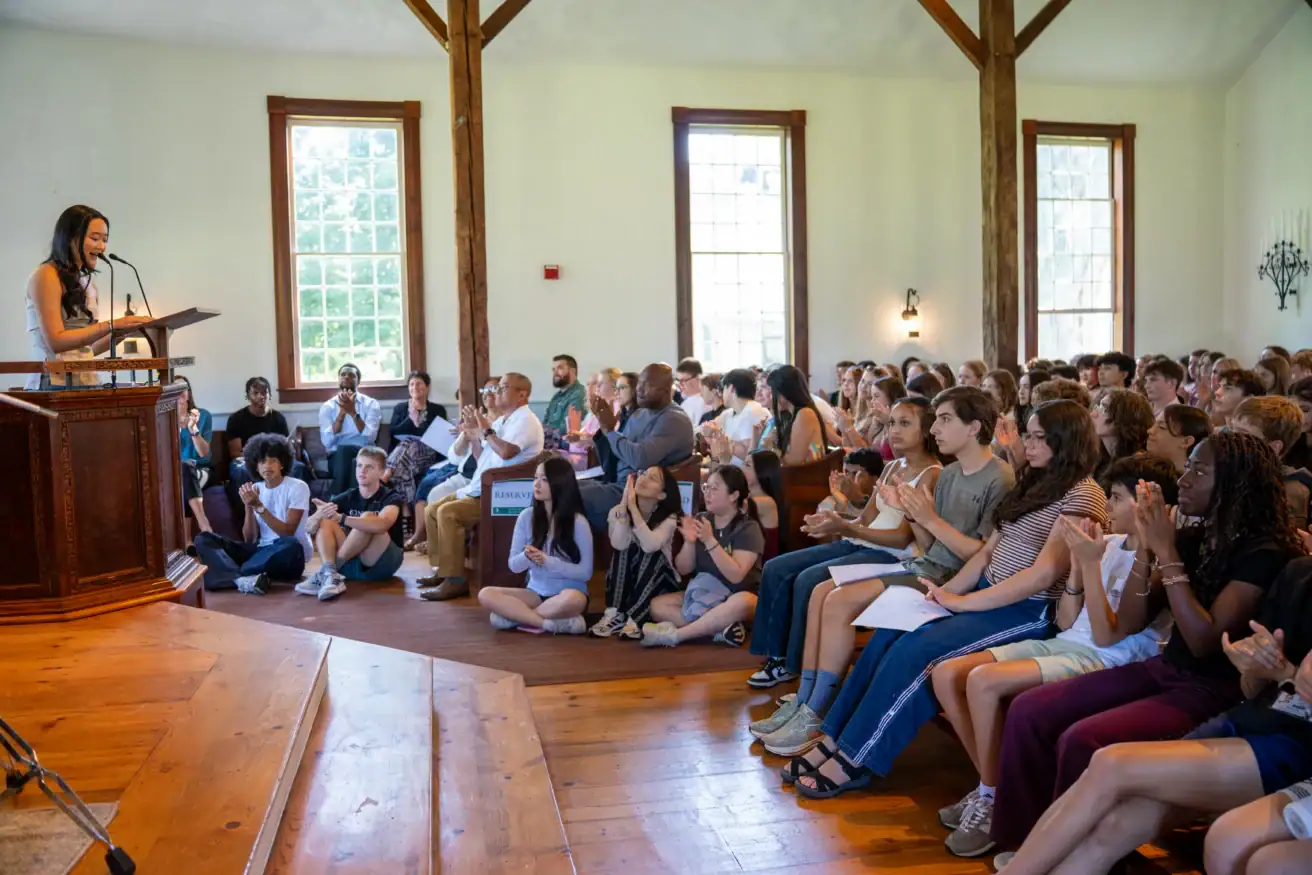
Concord Academy couldn’t have asked for a more beautiful start to the 2026–27 school year. On the crisp, sunny morning of August 31, students and educators assembled in the Elizabeth B. Hall Chapel. The euphony of their greetings carried over the steady bassline of a student jazz trio, formed by Noah Alperin ’28, Theo Kelman ’28, and Christopher Zhang ’27.
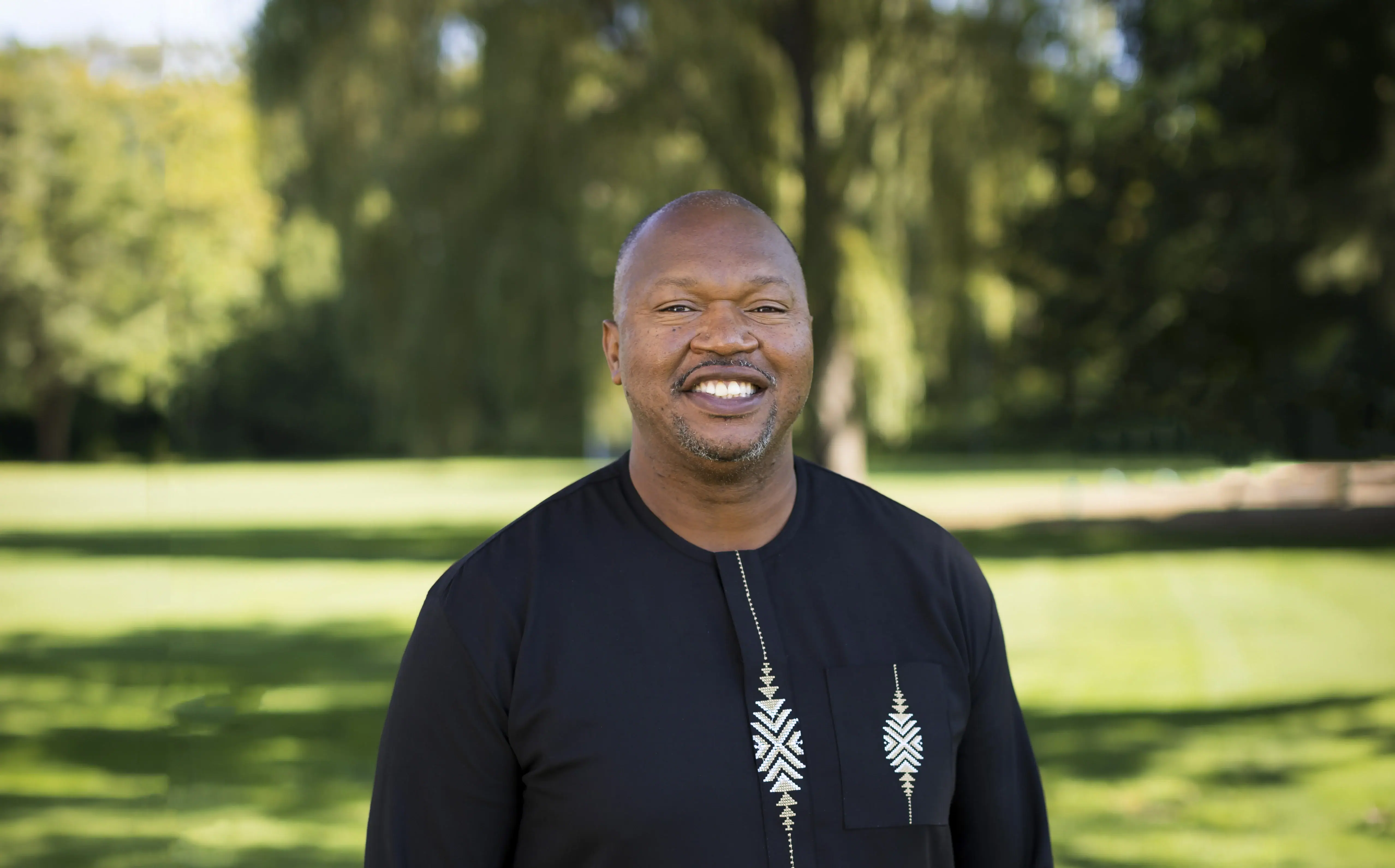
Head of School Henry D. Fairfax welcomed returning community members, 121 new students, and 18 new faculty and staff members. Normalizing first-day-of-school nerves, he urged students to “trust the integrity of your work and to value the process over the result.” He introduced this year’s community theme, “Common Trust in Action,” encouraging everyone to practice small “stretching exercises” throughout the year—from being fully present without phones to extending grace and listening for understanding.
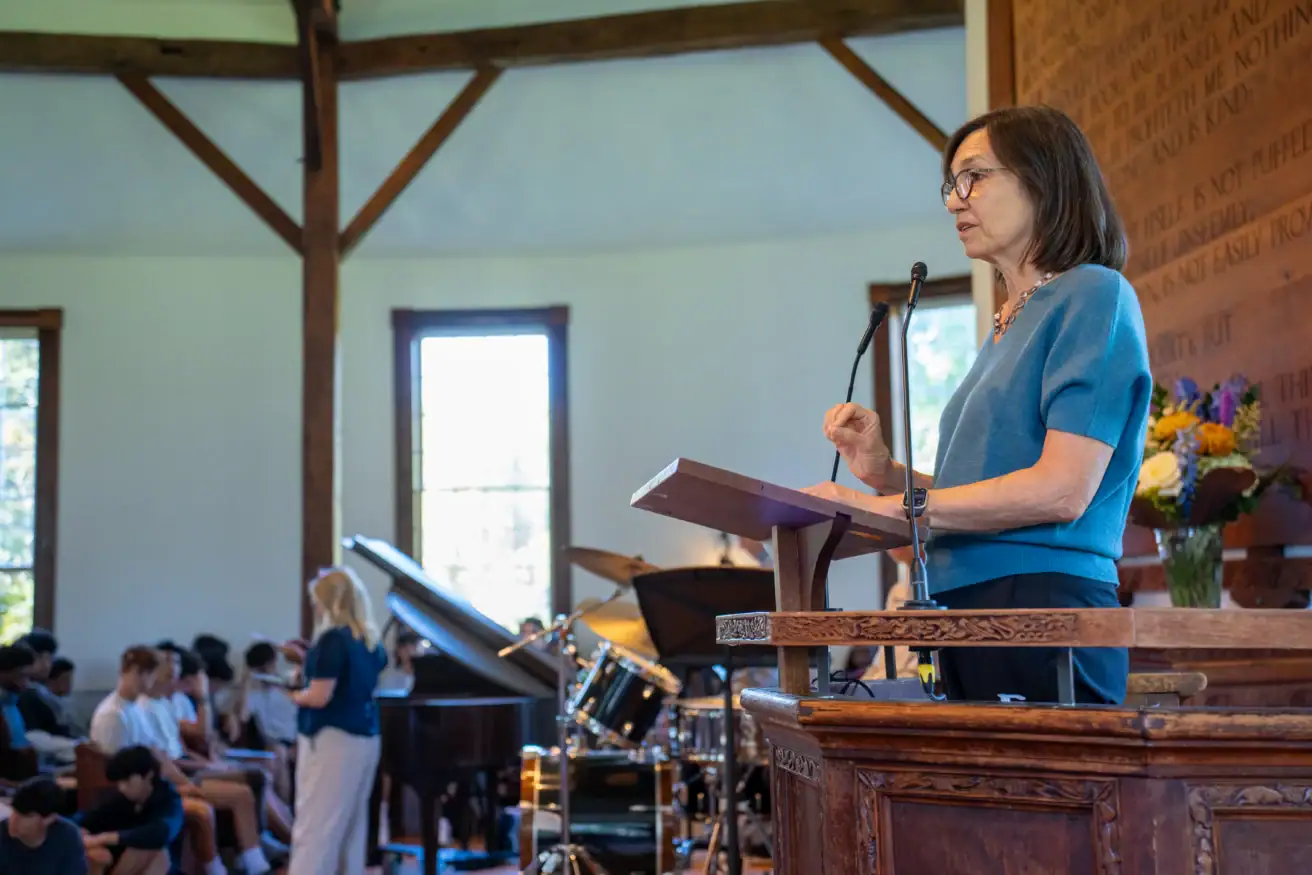
Jen Burleigh ’85, co-president of the Board of Trustees, reflected on CA’s enduring culture of “curiosity and love of learning; incredible breadth of academic, artistic, and athletic offerings; … kindness and mutual respect; and a powerful tradition of giving students voice and agency and room to shape their own journeys.” Describing the first day of school as an “electric time” with countless possibilities for how the year ahead could unfurl, she reminded students that every small decision—to speak in class or not, to try out for a sport or run for a leadership position, or to advocate for someone who could use support—is like a tile in a mosaic. With so much freedom to choose, she said, “you all have the power to give each other these moments” of unexpected kindness or recognition.
Student Head of School Lily Kim ’27 encouraged her peers to appreciate the routine aspects of campus life. “Our mundane is actually kind of extraordinary,” she said. “Most people don’t get a mundane this good. And I believe that privilege bears a responsibility.” It’s in everyday moments that we enact common trust, she argued—what we do when we think no one is watching and “whether you genuinely sit with what someone is telling you, teacher or peer, instead of already drafting a response in your head.” She asked everyone to visualize one small detail they appreciate about CA, then to continue noticing it throughout the year with gratitude. “The mundane version of CA, exactly as it stands right now, is worth showing up for,” she said.
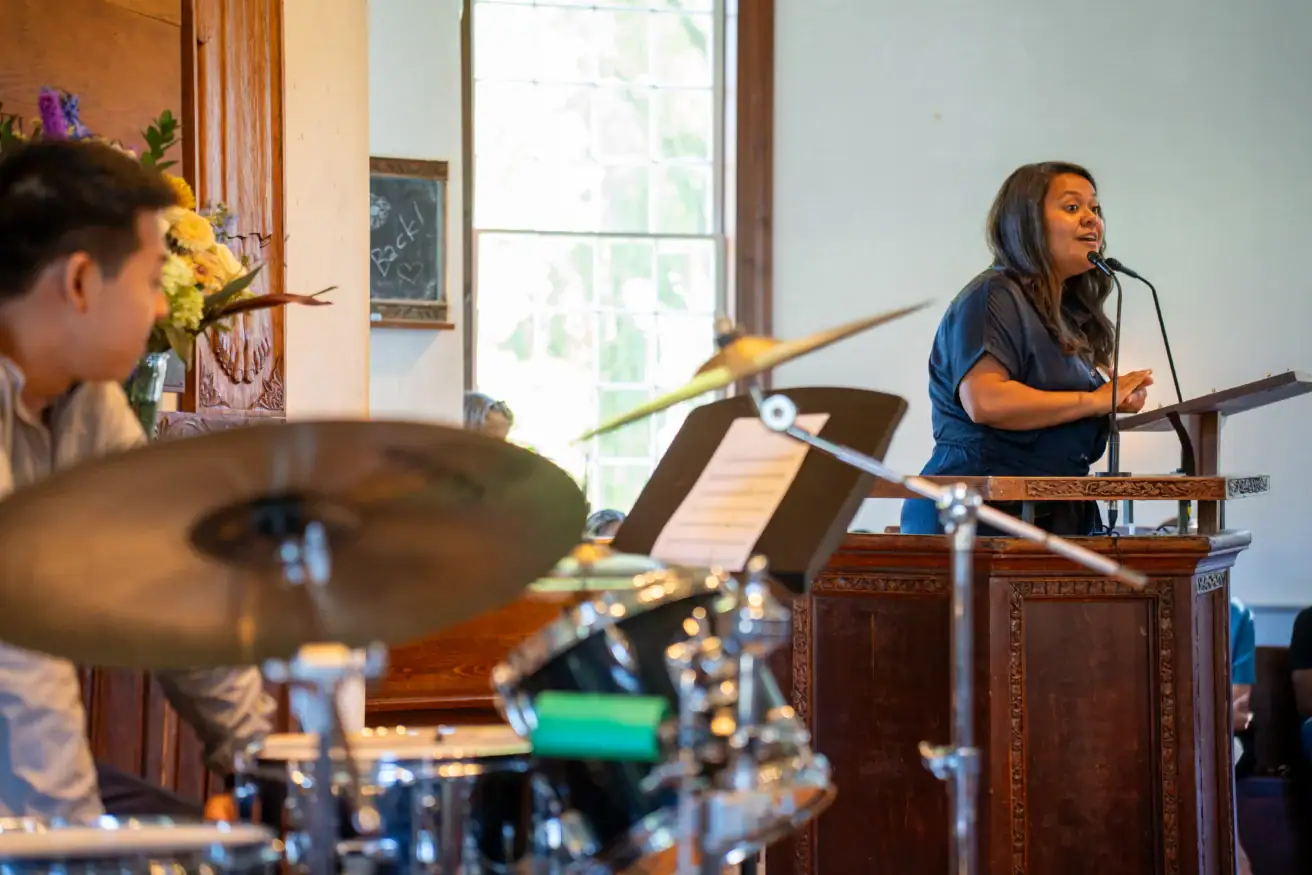
Convocation speaker, Melody Rosas-Granda, associate director of admissions and coordinator of multicultural outreach, likewise framed common trust as a “conscious, daily practice” but also as a “large but limited resource.” She drew an analogy to the tragedy of the commons—when individuals acting from self-interest deplete a shared resource—warning against taking the freedom that common trust affords for granted.
“There is a quiet decay that occurs when a shared pasture is savored by all and yet no one takes responsibility for it and assumes someone else will keep that grass alive,” she said. She traced this phenomenon to our human tendency to keep looking toward the next stage, setting, or accomplishment even after we have arrived where we once longed to be. “Sitting in that zone of restless and relative uncertainty, we may slowly forget about the very thing we once asked for at the exact moment we are living it,” she said. “In that forgetfulness, the trust begins to lose its safety, its culture, its power.”
This is not inevitable if we recognize that common trust must continue to be mutually earned and shared, she said: “Common trust is not just about the ability to be yourself and create authentic relationships. It is about your ability to ensure that where you stand leaves room and helps lift others up.”
As an example of “CA at its finest,” Rosas-Granda shared her experience watching three 9th graders perform Bad Bunny’s “NUEVAYol,” a song sampling a Latin American anthem from her childhood. “When the P.A.C. erupted with applause and a standing ovation for that performance, tears streamed from my eyes at the beauty of the inclusion, of the acceptance, of the pride in one another for being ourselves,” she said. “‘Common Trust in Action’ is our invitation to protect that celebration—that this freedom, joy, and community can feel like the dream you once hoped for when handled with respect.”
Reflecting on her upbringing in East Hartford, Conn., as the daughter of Peruvian immigrants, she described how she learned to value her cultural heritage through her parents’ “fierce love for one another, their children, and music,” her mother’s cooking, and her father’s unwavering work ethic. When she visited Peru with them, after a 30-year absence from their families there, she finally understood the depth of their sacrifice and resilience, and the faith and trust that taking such a leap had required. This perspective, in turn, shaped her belief in the power of opportunity to provide a transformative education and, along with it, a community that supports “potential for progress and success in many forms.”
As a common resource, common trust will naturally ebb and flow, Rosas-Granda said, but it is in the moments when we get busy, distracted, tired, overwhelmed, or overexcited—the times we all need to take a little more to fuel ourselves—that we must remember to “replenish the resource and honor our identity as a school.”
In taking to heart this collective responsibility, students can “live this opportunity for yourselves, the people around you, and the people who helped you get here,” she said. “You live this opportunity for many who cannot, and in doing it well, you honor them too.”