
Living History: Discovering the Heartbeat of Chinese American Communities on the West Coast

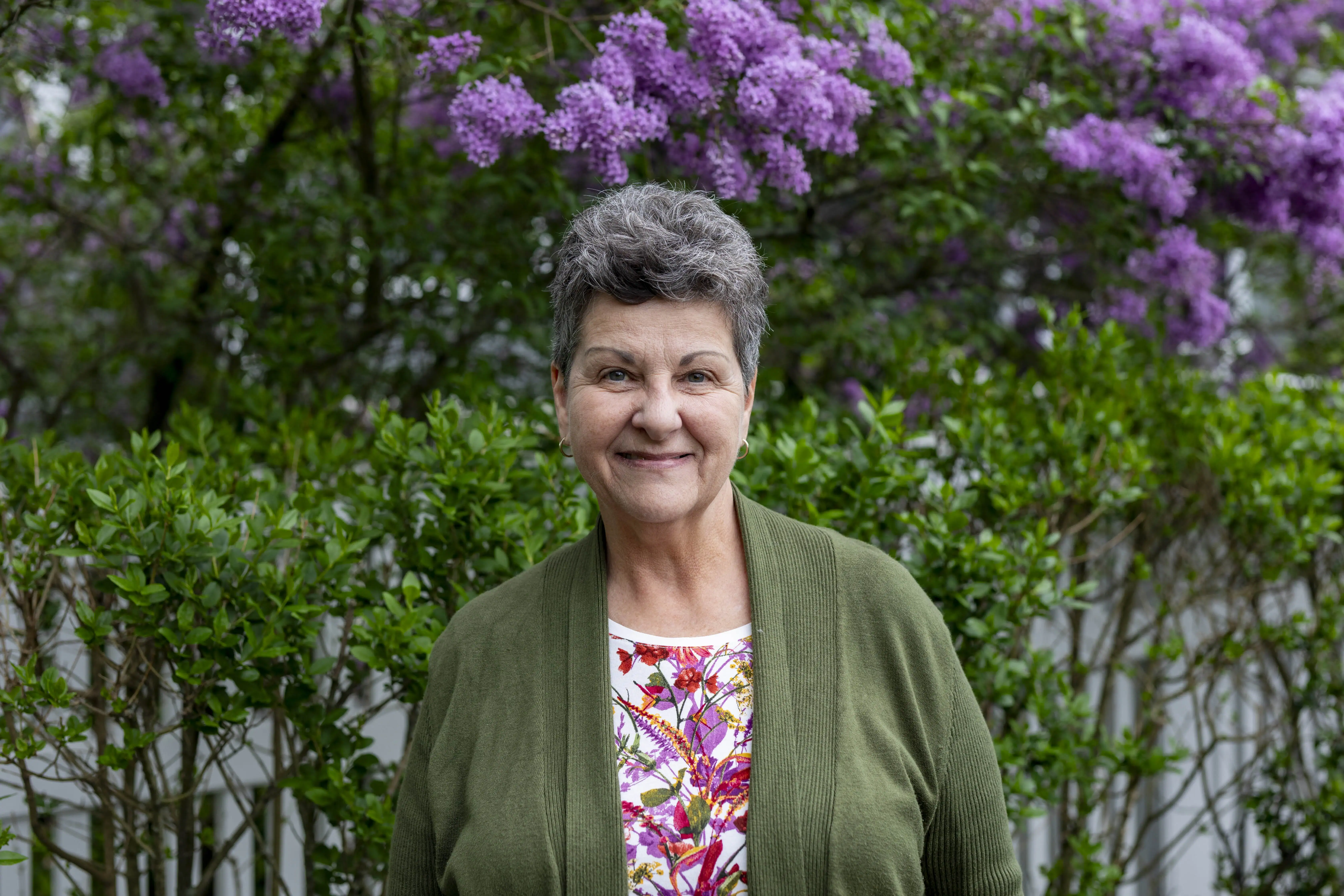
Wenjun Kuai P’27, Concord Academy’s Mandarin teacher, embarked on a deeply personal and professional journey this summer, immersing herself in the rich history of Chinese American communities along the West Coast of the U.S. and Canada.
The sabbatical trip, from mid-June to early July 2025, was catalyzed by Kuai’s long history of traveling through Asia, including her native mainland China as well as other Mandarin-speaking regions, including Taiwan, Hong Kong, Malaysia, and Singapore.
“I was inspired by my students, my advisees, and my own children to look closer at my new home—America,” Kuai says. “Knowing that the story of the Chinese language and culture isn’t just across the ocean, I centered this summer’s sabbatical trip on exploring the history, culture, and immigrant experiences of Chinese American communities on the West Coast.”
Kuai’s 12-day itinerary took her to vibrant historic districts and destinations across Vancouver, Seattle, Portland, Sacramento, San Francisco, Los Angeles, and San Diego. Each stop revealed a unique chapter in the history of Chinese immigration.
A particularly memorable experience was her visit to Chinatown in every city she visited. “Each time I stood before that iconic ‘Dragon Gate’ entrance, I felt a profound connection, as if I could see the entire history of that always-busy and noisy neighborhood unfolding through the dragon’s eyes,” Kuai says.
Her travels, however, were not just about history; they also provided her with a fresh perspective on the contemporary Chinese American experience. “Visiting monuments, museums, and gardens, I not only gained a vivid sense of the immense hardship and discrimination the Chinese immigrants faced but also saw their unbelievable strength and determination,” Kuai says. “It’s a vibrant tapestry of old and new fabrics, from ancient traditions preserved in beautiful gardens and temples to modern museums and restaurants, and they all help redefine what it means to be Chinese in America today.”
One stop that particularly resonated with Kuai was her visit to the Chinese American Museum in Los Angeles, which delves into the intersection of Chinese American history and contemporary life.
“I expected to learn about history, but I didn’t expect to feel it so deeply,” Kuai says. “The challenge was fighting with the full emotional weight of the historical stories and current events that we are experiencing today. It was more complex, more human, and far more inspiring than I ever imagined.”
The sabbatical also had a direct impact on Kuai’s teaching approach at CA. While Kuai has always believed in framing Chinese as a “world language,” rather than a “foreign” one, this trip made that concept a tangible reality.
In addition to enriching her understanding of Chinese culture, Kuai is now eager to incorporate what she learned into her classroom. She plans to create lessons that will help students explore Chinese American history, dialect differences, and the evolution of Chinese language and culture across generations. She also plans to design a future blueprint for domestic student trips that explore the Chinese American experience.
Kuai’s trip confirmed for her a central truth: that language is alive with the stories of the people who speak it. “This journey was about understanding my professional roles and roots from a new perspective,” she says. “It connected all the dots. It showed me that my role isn’t just to teach a language but to help my students see their own and each other’s stories reflected in our curriculum.”