
Finding Their Roots: Concord Academy Students Build First-Generation Community
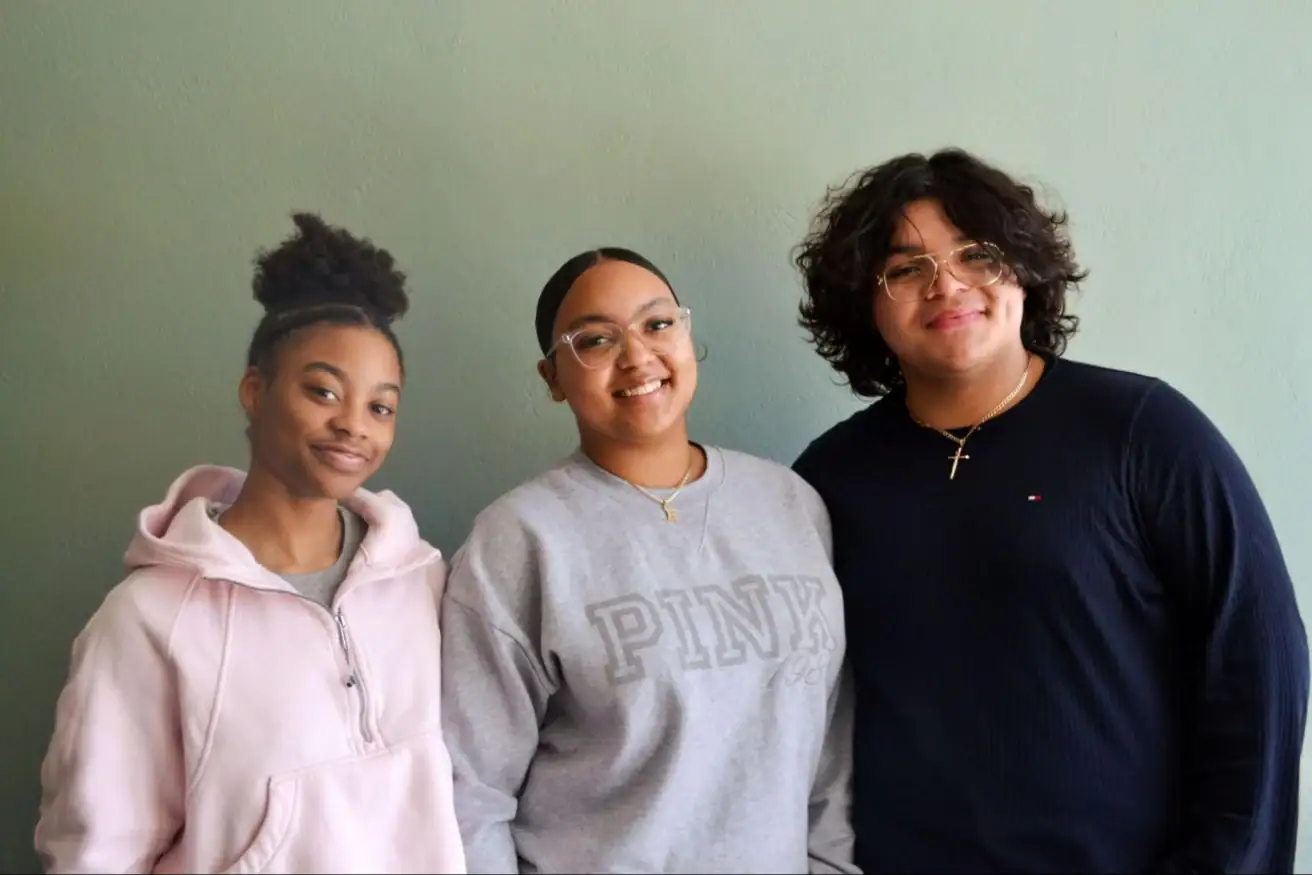
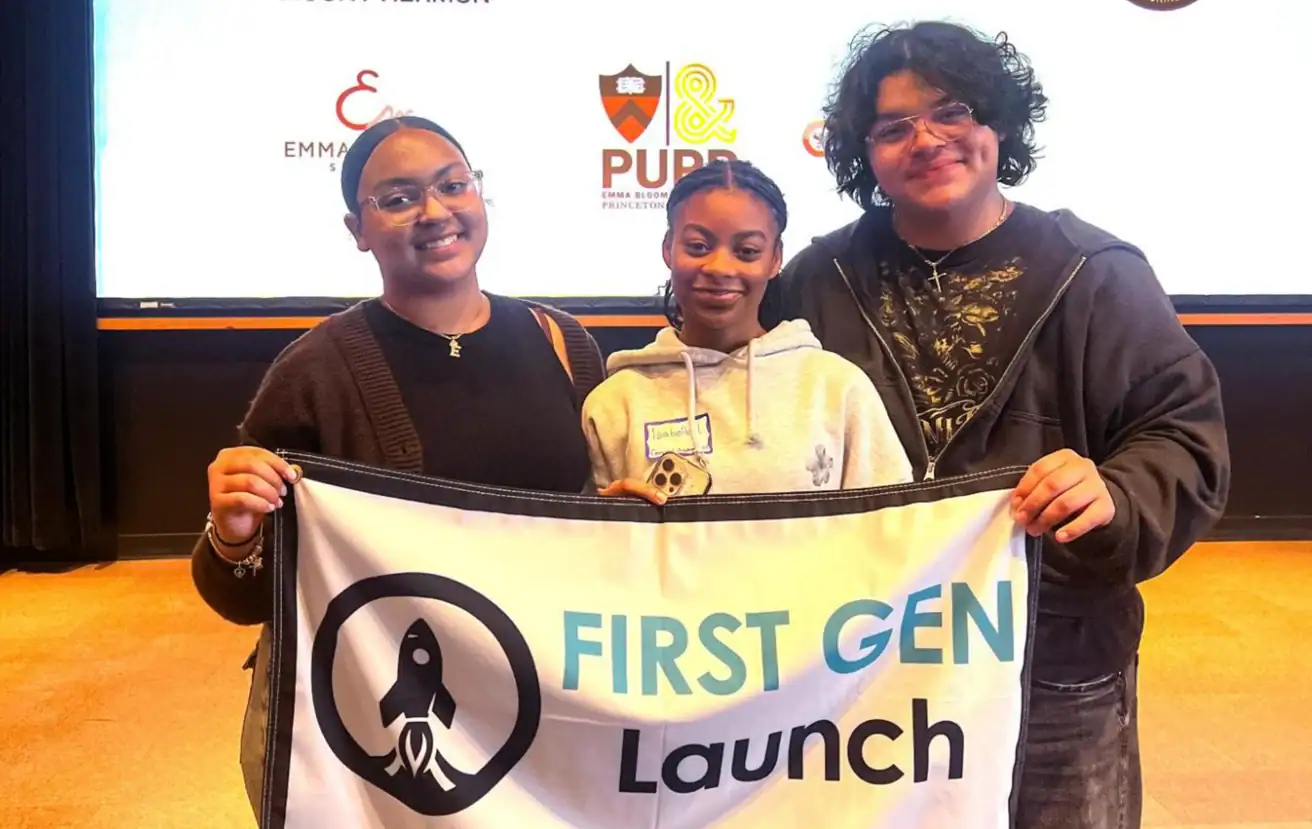
On January 31, students Bella Lacroix ’27, Emily Billilo ’27, and Johan Perez-Lemus ’27 presented at the inaugural First-Gen Launch Summit at Phillips Andover Academy. They returned with confidence, ready to create an affinity group on campus.
Director of Community and Equity Alexis Dinkins served as Lead Advisory Council for the summit and identified the conference opportunity to the CA students, with whom it immediately resonated. All three students identify as “first-gen”—those who are in the first generation of their family to attend college or high school. At the summit, the students gravitated toward different workshops and walked away with distinct takeaways.
Bella attended a session focused on blending in and standing out, in which students discussed code-switching and navigating predominantly white institutions. “It was very reflective, and a lot of the situations felt true to my own experience,” Bella says.
Emily chose a workshop examining how first-generation students are portrayed in the media. During a discussion about whether first-generation students are depicted negatively, she realized something. “I said no, because I don’t hear anything at all,” Emily says. “That made me think more about how little representation there is and how we can expand people’s understanding of what the first-gen experience is actually like.”
Johan participated in a workshop that explored how to bridge differences through adaptability and self-awareness. “The goal of it was to show, even though people have differences, there are always ways to be able to navigate them and just knowing how to use your resources and what works for you,” he says.
“It was really comforting knowing everyone there had at least one thing in common with you,” Emily says. During one workshop discussion, she shared that she is from Lawrence, Mass., and that her parents are Dominican. She was surprised to learn that several other students in the room had similar life experiences.
Their shared identity encouraged vulnerability, the students say. Conversations extended beyond academics to family backgrounds and upbringing.
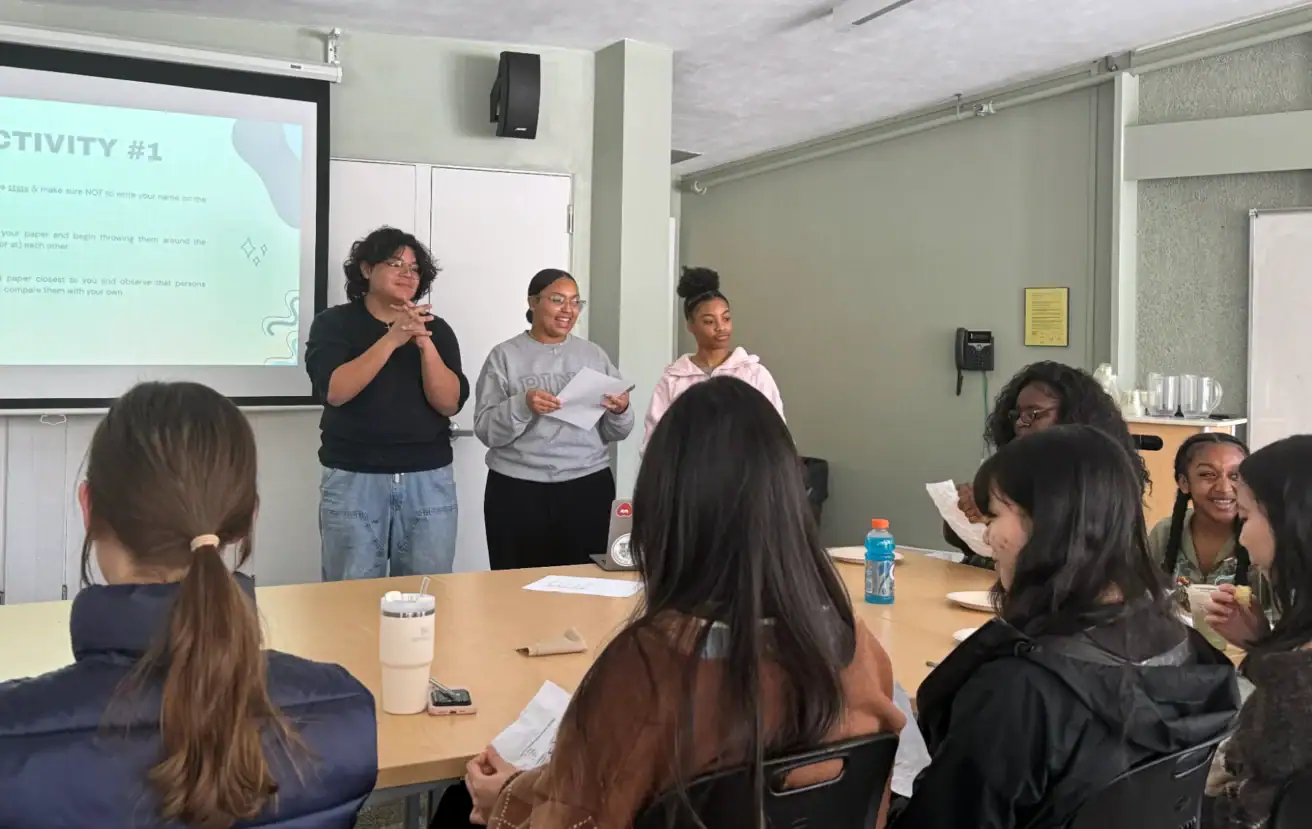
In addition to attending sessions, the CA students led their own workshop, “PWI: Painting With Intention.” Designed as a “paint and sip”-style event, the session invited participants to paint trees, symbolizing the roots of their cultures, while engaging in guided conversations about identity.
The session blended structure and spontaneity. Emily kept the discussion on schedule, Bella encouraged vulnerability, and Johan infused humor to encourage participants to feel comfortable. The balance of their leadership styles helped create what the group described as a relaxed, welcoming environment.
Their workshop drew a large attendance and resonated with participants. The experience solidified the group’s long-standing goal: to establish a first-generation affinity space at CA. Conversation is already underway about the structure and format of a formal group titled TGI: The Generational Impact.
The students also hope to raise awareness about what it means to be a first-generation student. Some peers, they noted, may not realize they qualify. “People don’t always talk about it,” Johan says. “But once the conversation starts, you realize how many of us there are.”
On February 27 at CA, they hosted “Up First,” a Strive workshop featuring interactive activities—including a survey and an agree/disagree exercise—to educate CA students about first-generation college students in America and to begin promoting the affinity group.
The students say their outreach programming provided both affirmation and momentum. “There is care and pride in being first-gen,” Emily says. “Seeing that showed me that there are people who want this kind of space.”