
A Tenuous Taboo

Nina Tannenwald ’77 explores one of the world’s most complicated questions
Story by Nancy Shohet West ’84
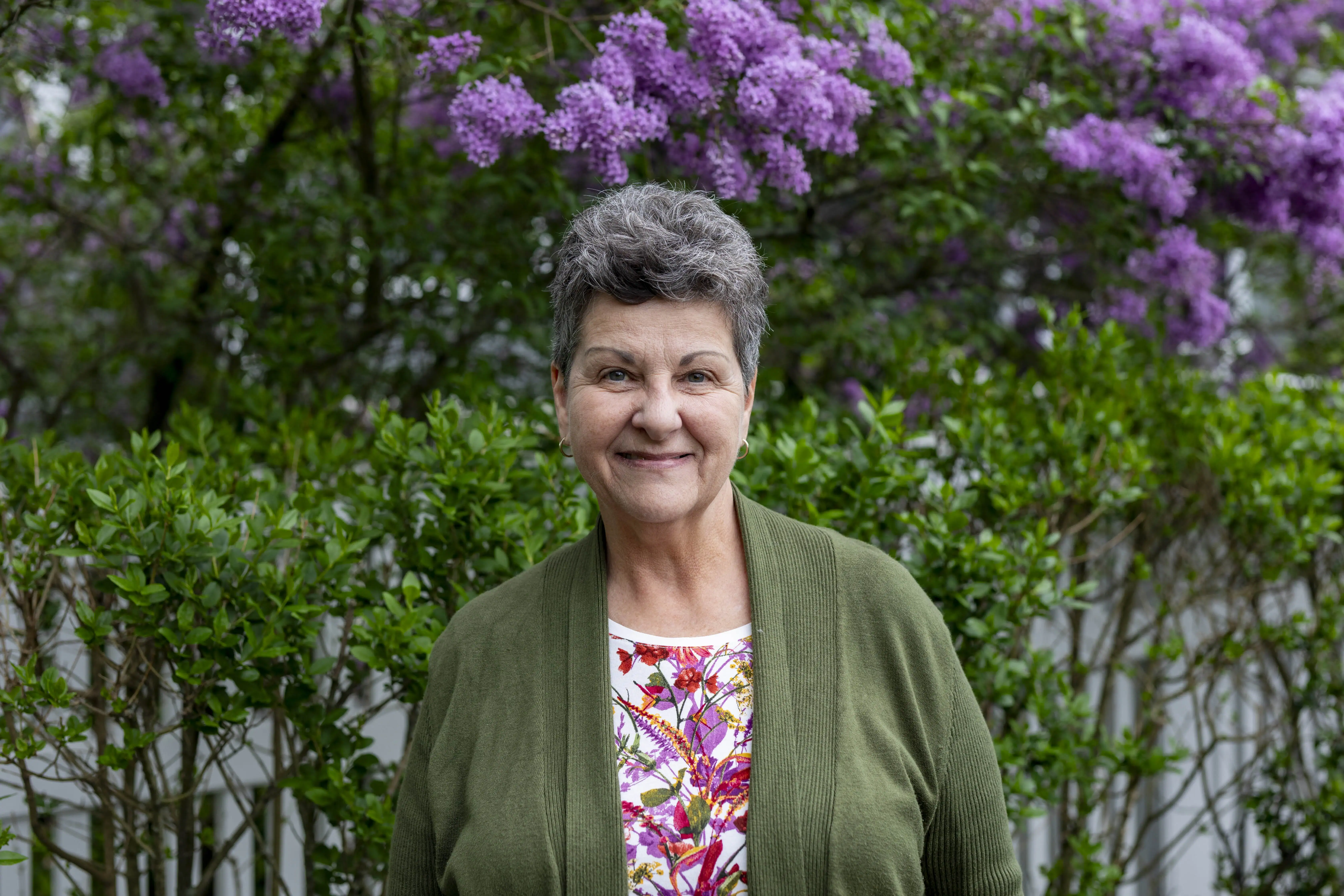
This winter, Nina Tannenwald ’77, a senior lecturer in political science at Brown University, attended the 2024 Nobel Peace Prize Forum in Oslo, Norway, as the prize was awarded to Nihon Hidankyo, a group of Japanese survivors of the 1945 U.S. atomic bomb attack who formed an organization 10 years after the end of World War II to lobby for a nuclear-free world. When her own name and research were cited in the Nobel Committee chair’s speech, “I just about fell out of my chair,” she recalls.
The author of the 2008 book The Nuclear Taboo: The United States and the Non-Use of Nuclear Weapons Since 1945, which won the 2007 Lepgold Book Prize for the best book in international relations, Tannenwald has been speaking for decades about the widespread inhibitions against the use of nuclear weapons, which she credits largely to the grassroots global antinuclear movement that arose in the 1950s and prospered in the 1980s, in reaction to what she describes as the hawkish rhetoric of the Reagan administration. “These grassroots movements may not have achieved their ultimate goal of disarmament,” she says, “but they did stigmatize nuclear weapons, framing them as unacceptable ‘weapons of mass destruction’ and their use as something that would cross a red line.”
Having her work acknowledged in this international forum provided new validation at a time when the idea of the “nuclear taboo” was feeling increasingly tenuous. “The nuclear taboo is still widely held, but all the nuclear-armed states are modernizing their arsenals,” she says. “I do think we are closer [to nuclear warfare] than any time since the Cuban missile crisis. It is a worrisome moment.”
We’re also learning that “institutions are hard to create but can easily be destroyed,” Tannenwald adds. Yet even a scholar whose work centers on the most concerning scenarios facing the world finds hope in her “young, energetic, and idealistic” students and in actions, large and small: “I subscribe to newspapers because it’s important to have independent media and news. I write to my members of Congress. I attend protests. My view is that everybody can be doing something to promote democracy and keep it alive.”